
Missing teeth can make simple things harder, like chewing, speaking, and smiling in photos. Dental bridges are a trusted restorative dentistry option to replace one or more missing teeth with a fixed solution. At Heritage Dental, we want you to understand what dental bridges are, how they compare to implants, what the process involves, and which bridge types we may recommend for patients in Katy, TX.
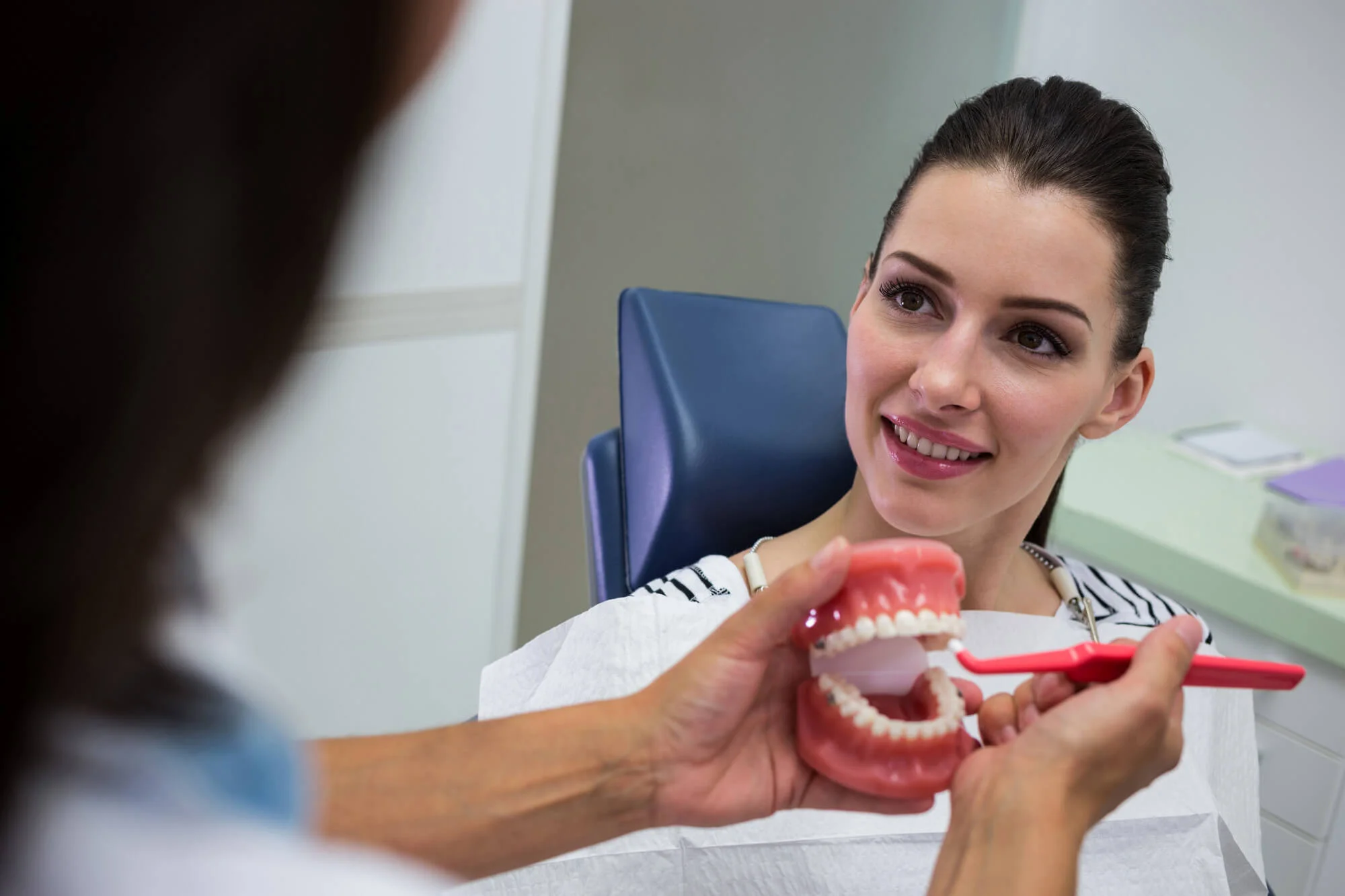
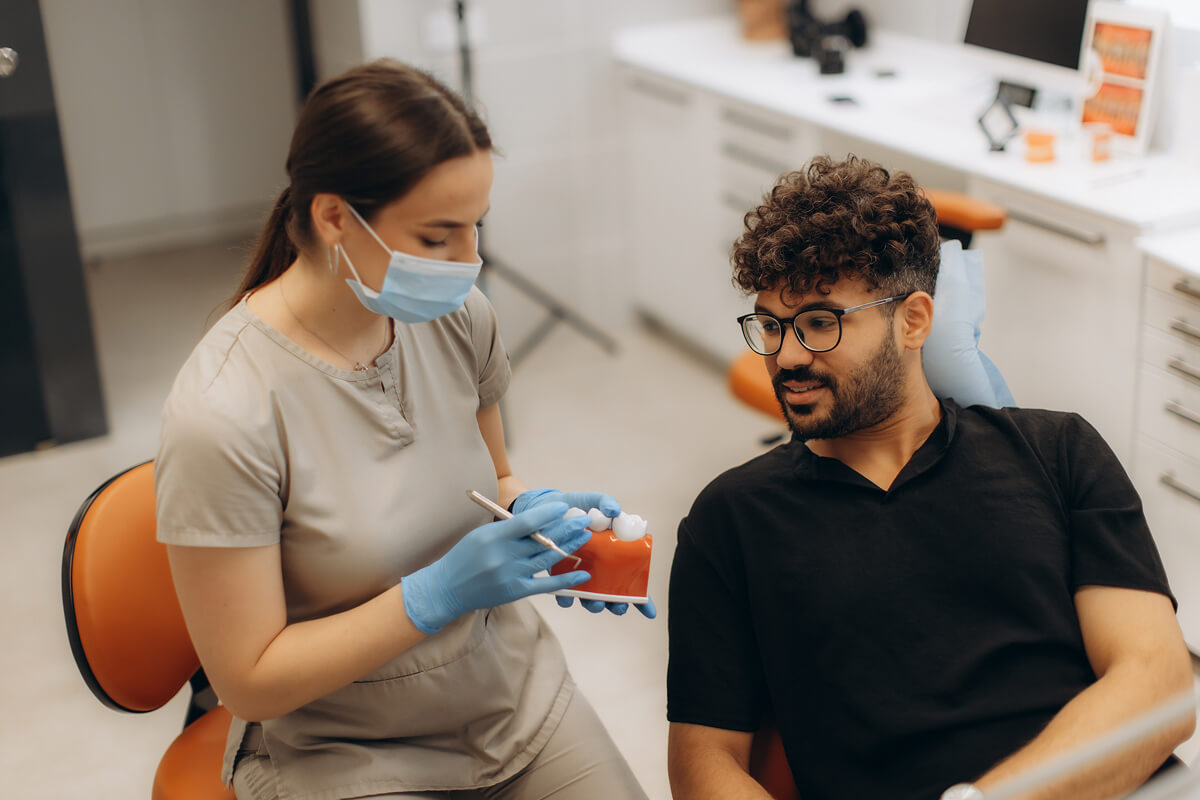
What Are Dental Bridges?
For many people in Katy, TX, a bridge is a good choice when they want a long-lasting solution that doesn’t come in and out like a denture. Dr. Hieu Nguyen and Dr. Tran custom-make bridges to fit your mouth and bite. With good care, they can last many years.
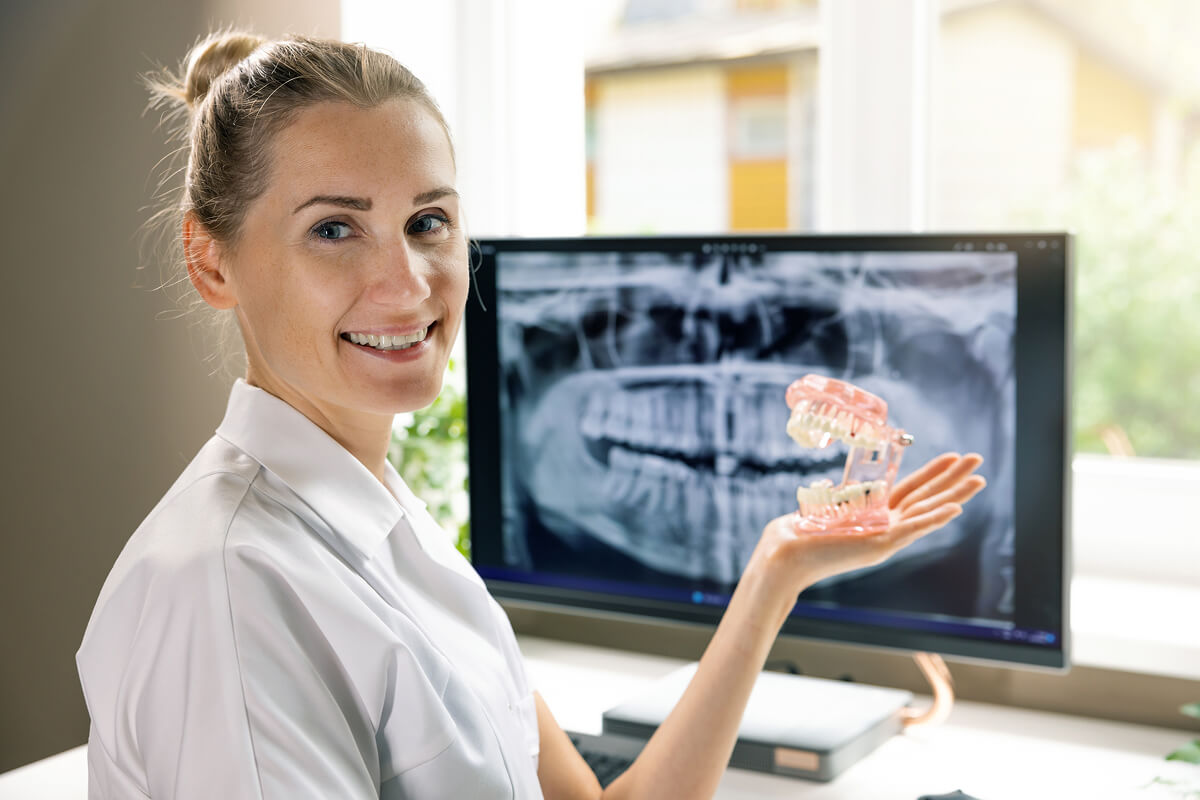
Dental Bridges vs. Dental Implants
Dental bridges and dental implants both replace missing teeth, but they work differently. A bridge is supported by nearby teeth (or sometimes by dental implants). A dental implant is a small post placed in the jawbone to act like a new tooth root.
- A traditional bridge can be a great option when the teeth next to the missing tooth are strong enough to support it. It can also be a good choice when you want a faster path to a fixed tooth replacement, since bridges often take fewer steps than implant treatment.
- Dental implants can be a good fit if you want to avoid placing dental crowns on the teeth next to the gap, or if you want a replacement that helps support the jawbone. Implants also work well when several teeth are missing, and you don’t have strong natural teeth to support a bridge.
What to Expect When Getting a Bridge at Heritage Dental
Getting a dental bridge is a planned process. At our dental office in Katy, TX, we focus on comfort and clear communication at every step.
- First, we’ll do an exam. We check the teeth around the space, your gum health, and your bite. We may take X-rays to make sure the roots and bone look healthy. If you have decay or gum disease. we’ll discuss treating that first so the bridge has a strong foundation.
- Next, Dr. Nguyen or Dr. Tran prepares the supporting teeth. This means shaping the teeth so crowns can fit over them. We numb the area so you stay comfortable. Then we take impressions or digital scans to make a bridge that fits your mouth closely.
- Many patients wear a temporary bridge while we make the final one. A temporary bridge protects the prepared teeth and helps you smile with confidence in the meantime. You’ll receive simple care instructions, such as avoiding very sticky or hard foods on the temporary.
- At the delivery visit, we remove the temporary, check the final bridge’s fit, and adjust the bite. Once everything feels right, we cement the bridge in place.
You’ll also learn how to care for your bridge at home. Daily brushing and cleaning under the bridge are important. Our dental team may suggest special floss tools or a water flosser to help keep the area clean. Regular dental cleanings are key, too. When the gums stay healthy, bridges tend to last longer.
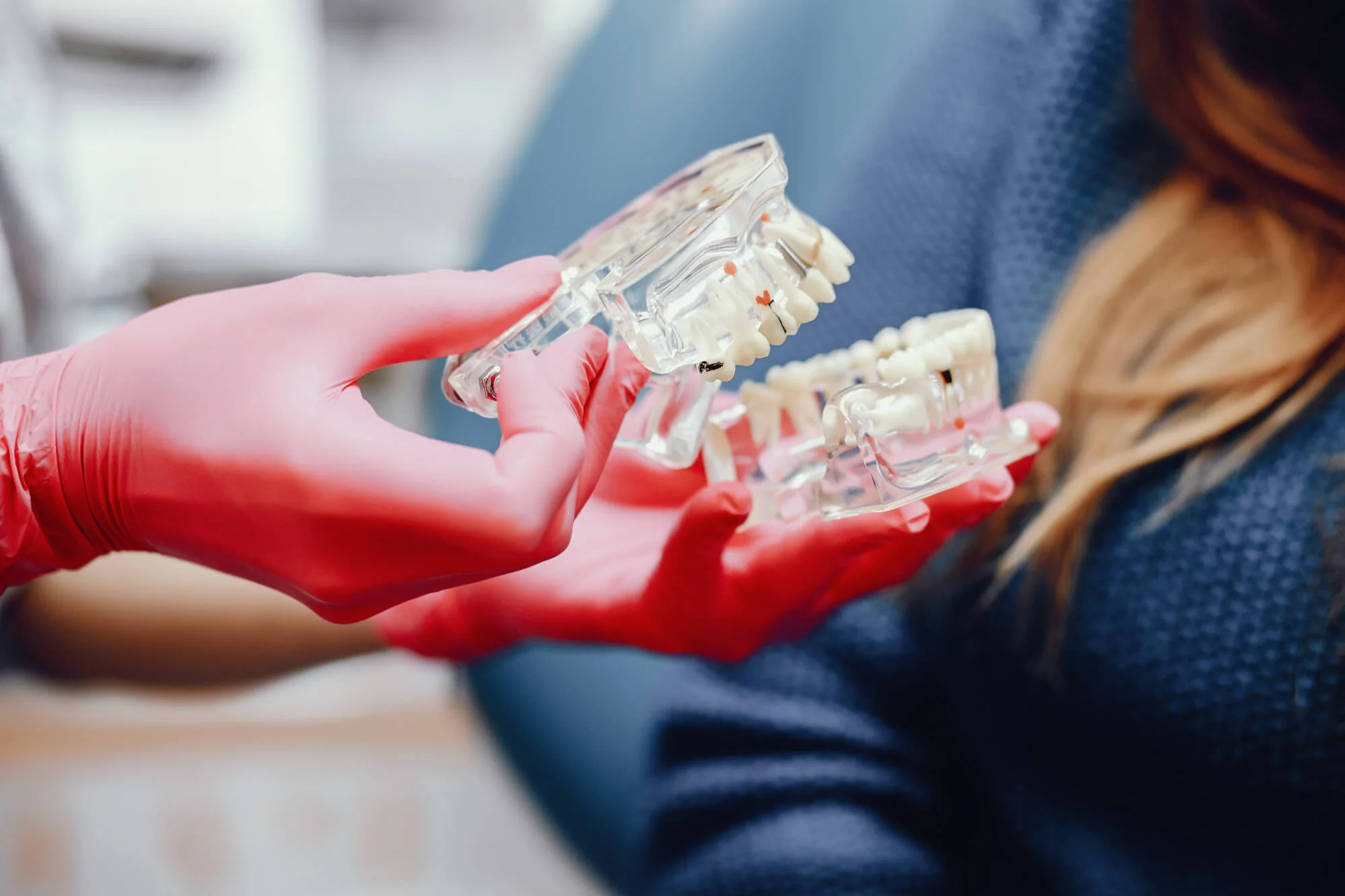
Types of Dental Bridges
- A traditional bridge is the most common type. It uses crowns on the teeth on both sides of the gap, with a pontic in the middle.
- A cantilever bridge uses support from only one side of the gap. It may be used in certain cases, often where bite pressure is lower.
- A Maryland (resin-bonded) bridge uses a framework with wings that bond to the back of nearby teeth. It may be an option for front teeth when we want a more conservative approach.
- An implant-supported bridge is held up by dental implants instead of natural teeth. It can be a strong choice when several teeth are missing in a row.
Restore Your Bite and Smile Today
No matter the type, we design bridges that look natural, feel comfortable, and support healthy function. If you’re missing teeth and live in or near Katy, TX, a dental bridge may help you get back to enjoying meals, speaking clearly, and smiling with confidence. Schedule a consultation at Heritage Dental or call our office at (832) 437-5895 to learn which option fits your needs; Dr. Nguyen, Dr. Tran, and our dental team will walk you through your choices.